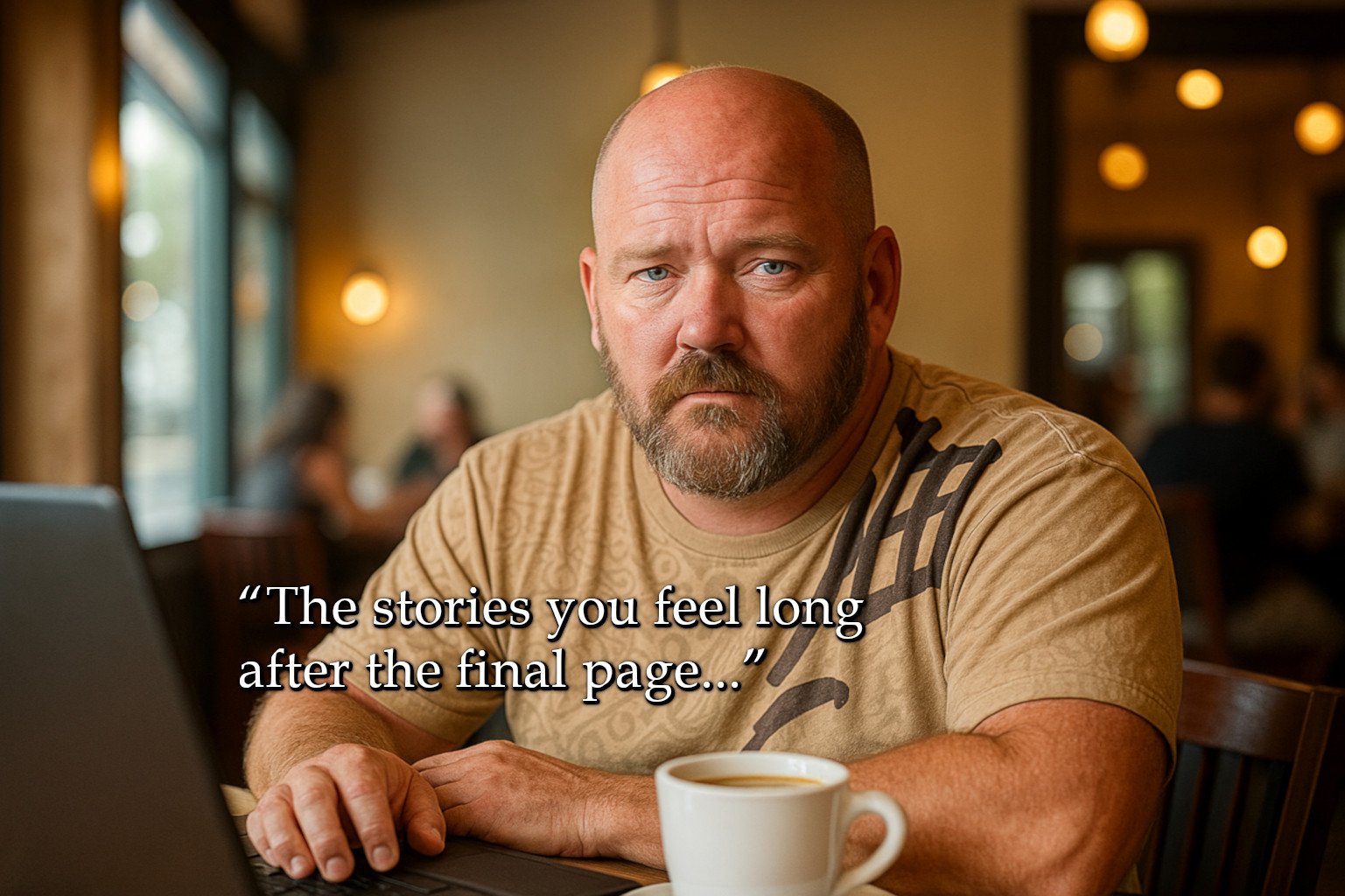

We have never had more ways to reach another human being. We can text someone across the country in seconds, see what an old high school friend had for dinner without actually speaking to them, and argue with a complete stranger in another state before we’ve even finished our morning coffee. Technology has finally brought the entire human race together, and apparently the first thing we decided to do with it was avoid each other.
Somewhere along the way, loneliness became a business opportunity. There are apps designed to help us make friends, clubs created specifically to introduce strangers, organized trips for people looking for companionship, and artificial intelligence that will happily talk to us at three in the morning. Put all of that together, and we now have something called the loneliness economy, because apparently even loneliness needed its own economic sector.
The World Health Organization estimates that about one in six people worldwide experiences loneliness, with adolescents and young adults reporting some of the highest rates. That seems strange considering younger generations have grown up with more ways to communicate than any generation in history. When I was young, if somebody didn’t answer the phone, that was pretty much the end of that.
Maybe we’ve been confusing communication with connection. Being able to contact someone doesn’t necessarily mean you have someone you want to contact, and having hundreds of names in your phone doesn’t mean there’s one person you want to call when life goes sideways. You can have thousands of social media followers and still spend Friday night wondering what everybody else is doing.
That’s the kind of loneliness I find interesting. You don’t have to be sitting alone in an empty house staring dramatically through a rain-covered window while sad piano music plays somewhere in the background. You can be surrounded by people who genuinely care about you and still wonder exactly where you fit.
I explored that idea without really setting out to do it in my novel The Devil’s Nitpicking. Country isn’t abandoned by the world, and he isn’t some forgotten man wandering around looking for somebody willing to acknowledge his existence. He has family, friends, and people he loves deeply, but he repeatedly finds himself close enough to watch their lives while questioning where he belongs in them.
He’s on the outside looking in…
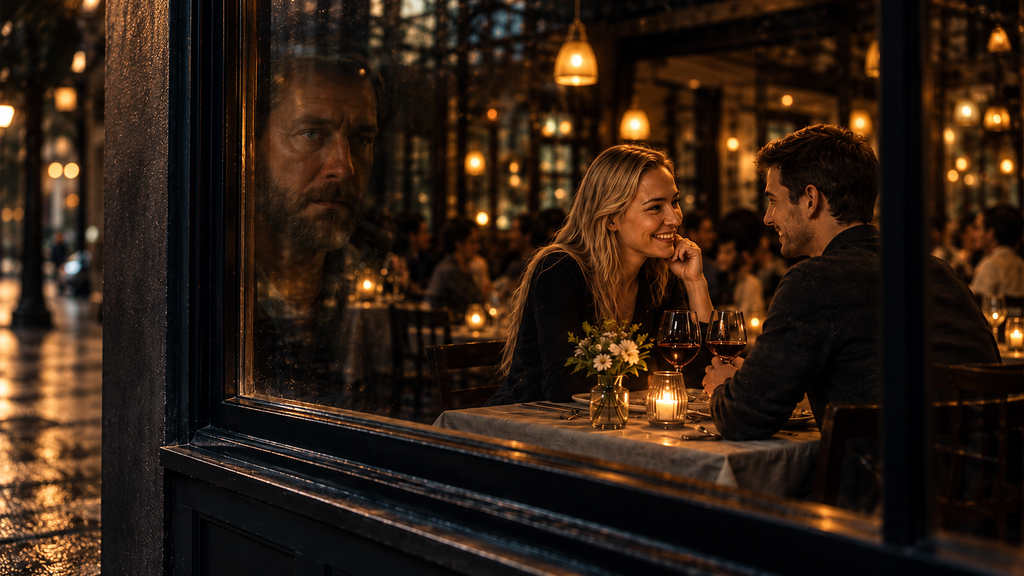
That may be what the loneliness economy is really trying to sell us. We don’t need another way to communicate because we’ve pretty much got that covered. What people seem to be searching for is somewhere they actually belong.
Those two things aren’t remotely the same. An app can introduce you to somebody, a social club can put twenty strangers in a room, and an algorithm can discover that you both love dogs, horror movies, and putting pineapple on pizza. That last one may actually be grounds for ending the friendship immediately, but at least the algorithm did its job.
What technology can’t guarantee is what happens afterward. It can’t make two people trust each other, share experiences, forgive each other’s flaws, or decide that this particular person is worth keeping around. Those things require time, vulnerability, and the possibility that occasionally another human being is going to disappoint you.
That last part matters because sometimes loneliness isn’t caused by other people shutting us out. Sometimes we’re standing at the door with our hand on the knob and refusing to turn it. Getting close to another person means giving them the opportunity to hurt us, and human beings have developed some remarkably creative ways of avoiding that possibility.
Brianna, another character in The Devil’s Nitpicking, gets an opportunity to build a relationship with someone who genuinely cares about her. Her instinct is to end it before it has the opportunity to go wrong because she’s already seen enough failed relationships to believe she knows how this one ends. It’s a pretty effective strategy if your goal is to guarantee the exact outcome you’re afraid of.
She’s not afraid because she doesn’t want the relationship. She’s afraid precisely because she does. If she never completely lets somebody in, they can never have the chance to break her heart.
That puts Brianna and Country on opposite sides of essentially the same problem. Country wonders whether there’s still a place for him, while Brianna has someone offering her a place and is terrified to accept it. Both are looking for something the loneliness economy can’t simply package, put a monthly subscription price on, and offer a seven-day free trial.
That’s not to say businesses built around connection are necessarily bad. If an app gets somebody out of the house and introduces them to a future best friend, that’s a pretty good app. If a social club gives someone enough courage to walk into a room full of strangers instead of spending another night alone, something meaningful might begin there.
Technology isn’t automatically the villain either. A text message can arrive at exactly the right moment, and people separated by thousands of miles can maintain relationships that would have slowly disappeared years ago. The tools aren’t necessarily the problem, but perhaps we’ve started expecting the tools to do work that still belongs to us.
Maybe the strangest thing about the loneliness economy isn’t that companies figured out how to make money from loneliness. Businesses have been figuring out ways to make money from human problems since somebody sold the first umbrella. What’s strange is how much we’re willing to spend searching for something humans have always been capable of giving each other for free.
Sometimes the loneliest place isn’t being by yourself. It’s being close enough to see everyone you love, close enough to hear the laughter and close enough to know exactly what you’re missing. It’s realizing that somehow, despite all the ways we have invented to connect with one another, you can still find yourself on the outside looking in.
Check out “On the Outside Looking In” by Pithouse, a song written for the novel The Devil’s Nitpicking…