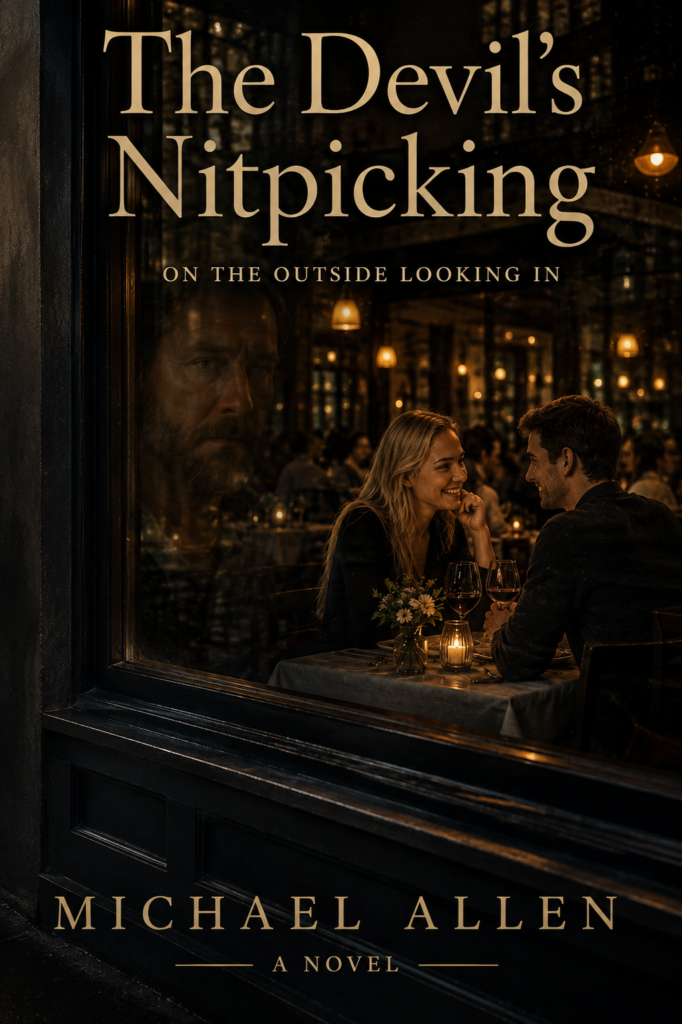
The Devil’s Nitpicking didn’t end when I finished writing the chapters. Each chapter inspired a song of its own, built around the characters, emotions, and moments in the story. Together, the songs became another way to experience the novel.
Below you’ll find the music chapter by chapter, along with a little about where each song came from. You can listen as you read, come back after finishing a chapter, or start with the music and discover the story behind it.

Chapter 1
I’ve Never Felt Better
“I’ve Never Felt Better” introduces Country through the way he has always dealt with pain. Bad things happen, he gets back up, says he’s fine, and keeps moving. The song looks back at real moments from his life with humor, but underneath them is the habit that will follow him into the novel. Surviving something isn’t the same as dealing with it. Sometimes saying “I’ve never felt better” says a lot more about what you’re hiding than how you’re actually doing.

Chapter 2
All The Space In Between
“All The Space In Between” lives in the part of Country’s past that never quite became what it might have been. There was affection, attraction, history, and years of moments that meant something, but never enough at the same time to become a life together. Neither person has to be the villain for something to hurt. Sometimes two people simply spend years caught between what they were, what they weren’t, and what they eventually become without each other.

Chapter 3
Fart Bubble
Not every moment in Country’s life needs to become a profound examination of the human condition. Sometimes life is chaotic, ridiculous, badly timed, and you get a fart bubble climbing up your back. “Fart Bubble” was written for that side of Country and the novel, where humor shows up right in the middle of everything else going wrong. Because sometimes you deal with life’s problems by confronting them. And sometimes you write a song about a fart bubble.

Chapter 4
Little Feet in the Sand
“Little Feet in the Sand” introduces a little girl named Bri. Her mother, Shelly, is raising her with her husband, Mike. He might not be her actual father, but he loves her like one. And sometimes, that’s all a little girl needs.

Chapter 5
The Clown of Town
“The Clown of Town” is about the person everybody knows but nobody really knows. He’s the one who can make a room laugh, lighten the worst day, and convince everyone around him that everything is fine. But every smile he gives away costs him something, and eventually the crowd goes home. The song lives in that quiet space between the face we show the world and the person left behind when there’s no one around to perform for.

Chapter 6
Made Up Things
“Made Up Things” is about holding onto the things that can’t always be measured or proven but still give life meaning. Dreams, hope, love, and the belief that you’re becoming something even when you can’t see where the road leads. It’s a quiet promise to someone still finding her way. The world may be filled with things we’ve invented to make sense of it, but sometimes those “made up things” become the truths that carry us forward.
Chapter 7
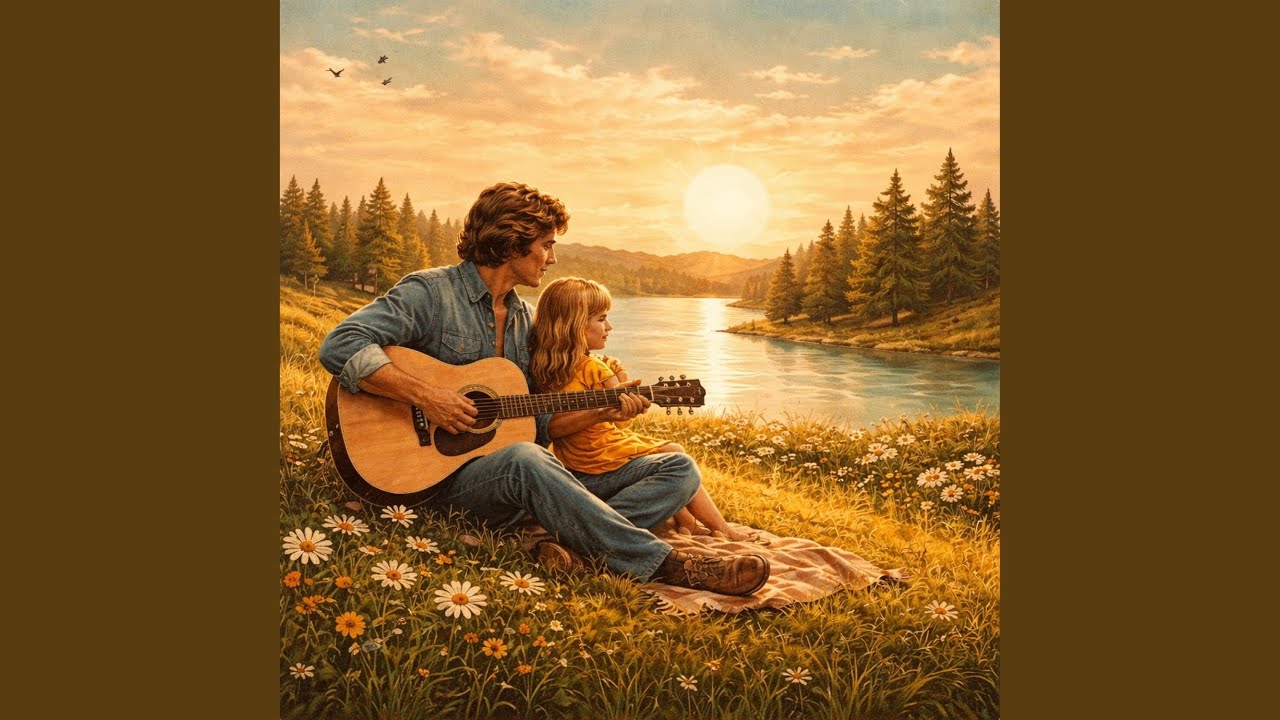
On The Outside Looking In
“On The Outside Looking In” is about being surrounded by places, people, and memories that should feel like home, yet somehow never quite belonging to any of them. It’s the loneliness of watching life happen from the other side of the glass while wondering how much of that distance was created by others and how much you created yourself. But beneath the isolation is something stubbornly hopeful. The past may explain why you’re standing outside, but it doesn’t have to decide who you become.

Chapter 8
Young Star
“Young Star” is about recognizing growth in someone who may not yet be able to see it in themselves. Strength doesn’t always arrive in dramatic moments. Sometimes it builds quietly through small victories, mistakes, scars, and the simple decision to keep moving forward. The song is a reminder that becoming who you’re meant to be isn’t about reaching some distant destination. There’s already something worth celebrating in who you are right now.

Chapter 9
Watch the F Out
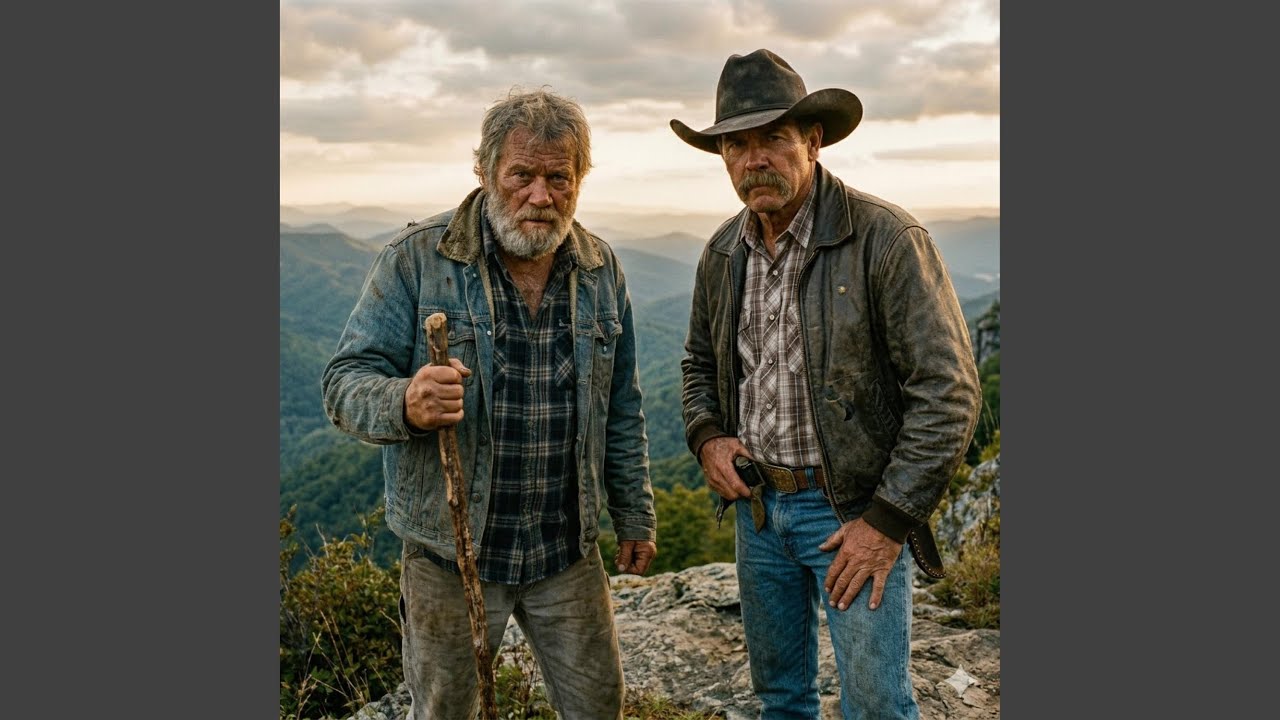
“Watch the F Out” is a rowdy celebration of two places with strong identities, stubborn people, deep traditions, and absolutely no shortage of attitude. Texas and Appalachia may have different landscapes and different sounds, but put steel guitar beside a banjo, barbecue beside a mason jar, and two fiercely independent cultures in the same room, and things could get interesting fast. The song isn’t exactly suggesting they join forces. It’s just offering fair warning about what might happen if they ever do.
Chapter 10
I Rise
“I Rise” is about resilience without pretending resilience means never breaking. The scars, losses, doubts, and failures aren’t erased or rewritten into something beautiful. They’re simply survived, learned from, and carried forward. The song finds hope in beginning again, even when that hope arrives slowly. Rising doesn’t mean you never fell. It means the fall didn’t get the final word.

Chapter 11
If I Lose Me
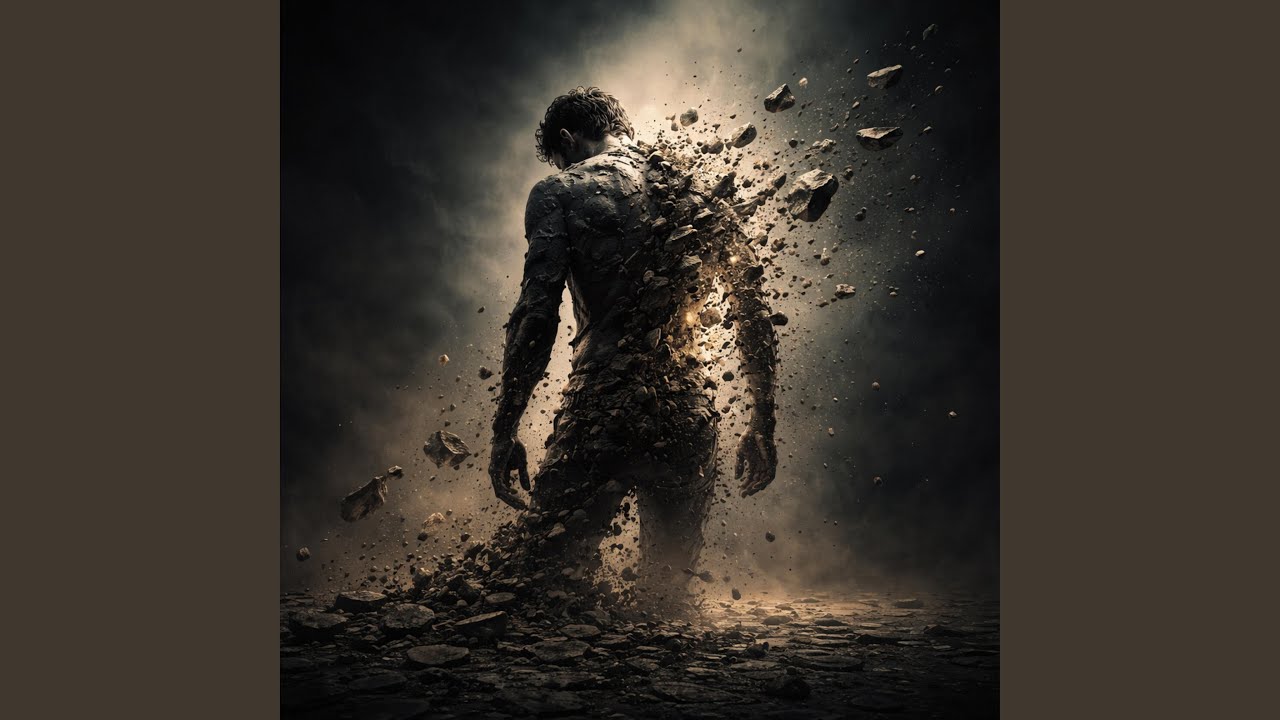
“If I Lose Me” is about what remains when everything else gets stripped away. Expectations, pressure, failure, other people’s plans, and even the temptation to become someone easier for the world to accept can slowly take pieces of a person with them. The song draws the line at identity. You can be bruised, imperfect, angry, lost, or carrying more than you should, but there’s a difference between changing and surrendering who you are. Sometimes the most important thing you can save is yourself.
Chapter 12
Lost In The Deep
“Lost in the Deep” is about searching for a place where you finally feel like you belong. The mind becomes its own maze, filled with uncertainty, isolation, and the feeling that everyone else somehow found their place while you’re still a step behind. But being lost doesn’t necessarily mean being gone. Somewhere beneath the noise and doubt is a part of you still waiting to be found, right where it was left behind.

Chapter 13
Someone You Thought You Know
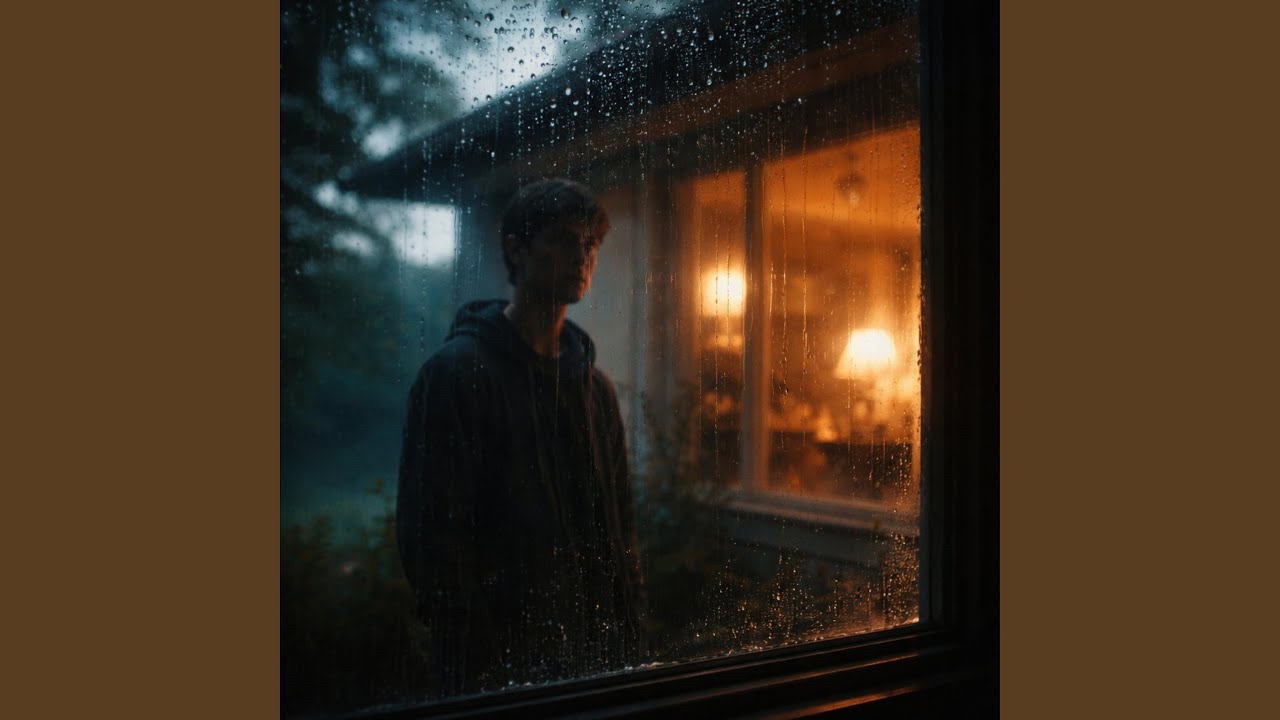
“Someone You Thought You Know” is about disappearing without ever actually leaving. It’s the loneliness of still being present in someone’s life while feeling unseen, unheard, and increasingly disconnected from the person you once were. The ghost isn’t someone who died. It’s someone who slowly faded from their own life until only memories and other people’s versions of them remained. Sometimes the hardest person to mourn is someone who’s still standing right in front of you.
Chapter 14
I’ve Been Going At A Loss
“I’ve Been Going At A Loss” captures what it feels like when anxiety, depression, pressure, and exhaustion all start talking at once. The thoughts don’t arrive neatly, and neither does the song. It moves through frustration, defiance, humor, and the desperate need for someone to understand that the struggle they’re judging from the outside is very different from the one being lived. Beneath all the noise is one question that keeps fighting its way through. When is it finally my day?

Chapter 15
Let’s Make the World Dance
“Let’s Make the World Dance” is about claiming your little piece of a world that was already spinning long before you arrived. It’s a celebration of being here now, taking chances, making noise, and refusing to let the moment pass unnoticed. You don’t have to change the entire world to leave something behind. Sometimes it’s enough to bring your own spark, turn up the music, and make the world dance while you’ve got the chance.

Chapter 16
Three Trees
“Three Trees” is about the places and people that stay rooted in us no matter how far away life takes us. Three boys grow up beneath three trees on an Appalachian hillside, then time carries them down different roads. Years later, the distance between who they were and who they’ve become disappears with something as simple as throwing a football again. The song is about home, memory, family, and discovering that some roots don’t need you to stay in one place to keep growing.

Chapter 17
You My People
“You My People” is about belonging to something larger than the divisions people create between themselves. It’s part frustration, part defiance, and part faith in ordinary people who are simply trying to make their way through the world. The song rejects the idea that someone has to look right, come from the right place, or fit neatly into somebody else’s definition of belonging. Beneath all the anger is a remarkably simple declaration. We’re all from the human race. You my people.

Chapter 18
My Story
“My Story” is about owning the entirety of your story, including the parts that once seemed like mistakes. Wrong turns, abandoned versions of yourself, doubts, labels, and choices all become pieces of the person eventually standing on the other side of them. Nothing has to be erased to move forward. The song looks back without regret while refusing to treat the present as an ending. This is the story so far, but you haven’t heard it all yet.

Chapter 19
It’s Probably Not About Me
“It’s Probably Not About Me” is about the ridiculous little spiral that begins when somebody posts something vague online, and your brain immediately volunteers you as the subject. With absolutely no evidence, a cryptic sentence becomes an investigation involving old conversations, questionable memories, and increasingly creative theories about what you might have done. The song pokes fun at overthinking and our tendency to make ourselves the main character in somebody else’s vague post. It’s probably not about you. But, you know, it’s a good possibility.

Chapter 20
Overthinking Overthinking Everything
“Overthinking Overthinking Everything” is about a mind that refuses to wait for reality before reacting to it. An ordinary disagreement becomes an argument that never happened, a quiet drive becomes an accident that never occurred, and walking into a friendly bar somehow requires preparing for a fight. The song finds humor in the exhausting habit of anticipating problems, rehearsing disasters, and searching for meaning where there may be none at all. Sometimes absolutely nothing is happening, and the brain still finds plenty to work with.

Chapter 21
Broken Piano
“Broken Piano” is about the pieces of childhood we carry long after we’ve outgrown the places where they happened. The burned dolls, torn blankets, old coloring book, and broken piano aren’t beautiful because they were perfect. They matter because they were there. As memories begin to fade, even the damaged things become precious evidence of the person nobody else completely knew. The song is about refusing to abandon that younger version of yourself, because walking away from the broken piano can sometimes feel like leaving part of yourself behind.

Chapter 22
Tell Me The Lies
“Tell Me The Lies” is about choosing a painful truth over a comfortable lie. Lies can postpone what we don’t want to face, but they can’t change what eventually has to be confronted. The song treats truth almost like a force of its own. It doesn’t need permission, and it doesn’t disappear simply because someone isn’t ready for it. There may be pain in standing in the daylight, but there’s something worse about living in the dark and waiting for everything around you to burn.

Chapter 23
On The Outside Looking In
“On The Outside Looking In” returns at the end, but it doesn’t mean what it meant the first time. Earlier, the song is about isolation, distance, and the feeling of never quite belonging anywhere. By the final chapter, those same words carry the weight of everything that has happened since. Being on the outside is no longer simply about being excluded or lost. Sometimes the view from outside lets you finally see what you couldn’t understand while you were standing in the middle of it.
When The Book Ends, The Songs Begin
Twenty-three chapters. Twenty-two songs. Some tell stories of their own. Some share the emotions and ideas found in The Devil’s Nitpicking. And one of them comes back at the end, meaning something entirely different than it did the first time.
You don’t need the music to understand the novel, and you don’t need the novel to enjoy the songs. But together, they tell one hell of a story.
Read the novel. Hear the chapters.